Section outline
-
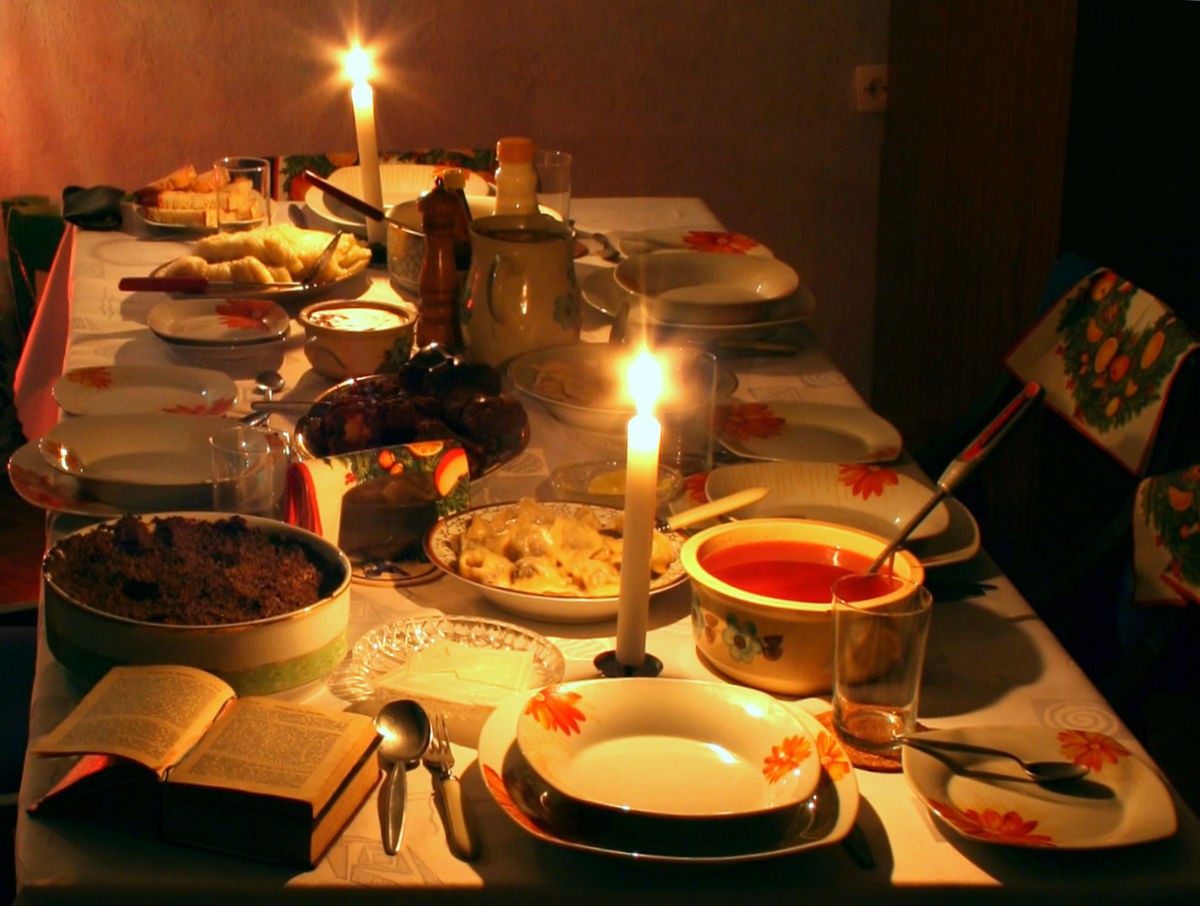
Christmas in Poland is one of the most meaningful and tradition-rich holidays of the year. The central celebration is Christmas Eve (Wigilia), observed on 24 December. Families gather after dusk for a festive dinner that traditionally begins when the first star appears in the sky. The meal starts with sharing the opłatek (a thin wafer symbolizing reconciliation and goodwill), after which family members exchange wishes for the coming year.
The Christmas Eve dinner typically includes twelve meatless dishes, representing the months of the year. Common dishes include barszcz with uszka, carp, herring, pierogi, kutia, and kompot z suszu (dried-fruit compote). An empty place is often set at the table for an unexpected guest, reflecting hospitality and remembrance.
After the meal, many families sing Polish Christmas carols (kolędy), which are an essential part of the cultural tradition. Later in the evening, numerous families attend Pasterka, the Midnight Mass held in churches across the country.
Christmas Day and the Second Day of Christmas (25–26 December) are typically devoted to family visits, rest, and continuing celebrations. The atmosphere throughout the season emphasizes togetherness, warmth, and longstanding customs.
Let's listen to Polish carol “Bóg się rodzi” (also known as “God Is Born”). The original lyrics were written by Franciszek Karpiński in 1792 and are in the public domain.